Technology

Tech-
nology
Tron doesn’t replace traders. It amplifies them with trading agents that forecast, optimize, and execute under your supervision.
Approach
Most platforms promise full automation. Tron takes a different approach.
Energy markets are complex. Regulations change. Unexpected events happen. That’s why Tron keeps human traders at the center with intelligent trading agents that handle the operational heavy lifting.
The principle
Traders set strategy. Automation handles execution. Humans stay in control.
Trading Agents
Forecasting & Optimization
Trading agents analyze weather forecasts, market prices, and asset performance data to generate optimal dispatch and bidding strategies.
Automated Bidding & Execution
Under trader-defined parameters, agents create and submit bids for mFRR, aFRR, and FCR markets respecting gate closure times and compliance rules.
Anomaly Detection & Alerts
Continuous monitoring identifies unusual patterns in asset behavior, market conditions, or communication status alerting traders before problems escalate.
Continuous Learning
Agents observe trader decisions and market outcomes, improving their recommendations and strategies over time. The longer you use Tron, the smarter it gets.
Tech Standards
Built on industrial grade protocols & standards
standards
Info
Modbus TCP/RTU & IEC 60870-5-104
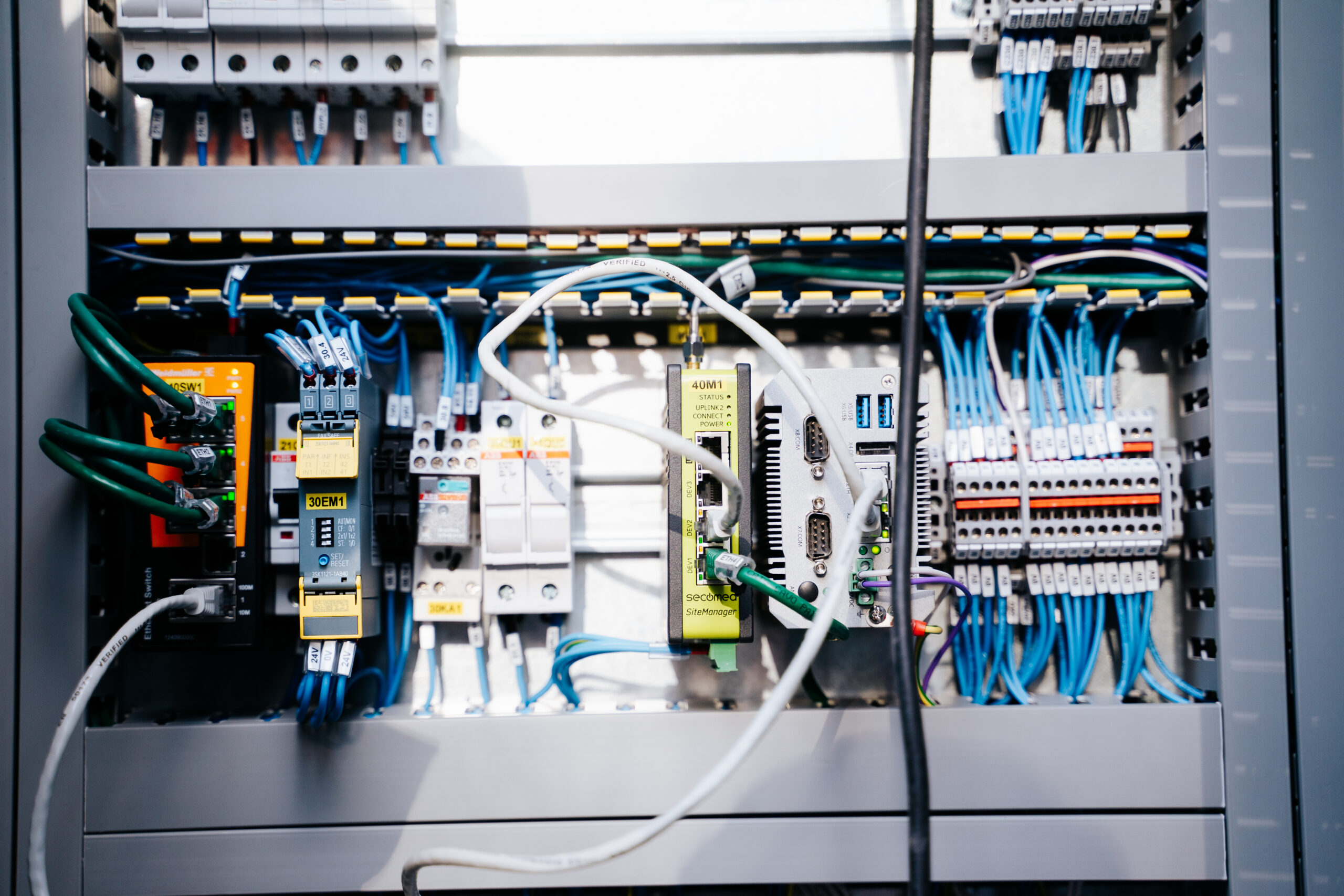
Communication between TRON IPC and customer PLC/RTU
IEC 60870-5-104
Real-time telemetry and control with the TSO
ENTSO-E CIM
Market document compliance for bids, activations, settlements
OPC-UA / MQTT
Data aggregation and SCADA interoperability
TLS 1.3 / VPN
Secure end-to-end communication
Toward a virtual power plant
Future Vision
Toward a virtual power plant

Tron is evolving toward full VPP capability aggregating, optimizing,
and dispatching distributed energy resources across markets and regions.

Frequently asked questions
What is TRON?
TRON is an Energy Management System (EMS) – a full-stack platform that connects distributed energy assets (batteries, cogeneration plants, solar farms, electrode boilers, heat pumps) to electricity markets. It combines real-time monitoring, trading agents, and full regulatory compliance in a single system.
Is TRON for energy traders or for asset owners?
Both – in different ways. Energy traders operate TRON directly to manage portfolios, participate in balancing and wholesale markets, and automate trading workflows. Asset owners (companies with batteries, cogeneration plants, solar parks, boilers, or heat pumps) benefit indirectly by partnering with a TRON-enabled trader who manages market participation on their behalf. You don’t need to be a trader to benefit from TRON.
Which asset types can connect to TRON?
Battery Energy Storage Systems (BESS), cogeneration plants (CHP), solar PV, electrode boilers, heat pumps, and hybrid combinations of these. TRON is designed to be asset-agnostic – if you have an unconventional energy resource, we’re open to discussing integration.
Which markets can I access through TRON?
All three balancing products – mFRR (manual frequency restoration), aFRR (automatic frequency restoration), and FCR (frequency containment) – as well as Nord Pool Day-Ahead and Intraday wholesale markets. A single asset can participate across multiple products simultaneously, within regulatory constraints.
Where does TRON operate today?
TRON is fully operational in Latvia, with certified integration with the national Transmission System Operator (AS Augstsprieguma tīkls). The platform is architecturally designed for multi-country operation across Europe.
How is TRON different from fully automated trading platforms?
Most platforms promise full automation. TRON takes a different approach – traders stay in control. Automation handles forecasting, bidding, and execution, but strategy, overrides, and judgment remain with human traders. The result: the operational scale of automation with the reliability of human oversight.
How long does a typical deployment take?
It depends on the asset type and site complexity. Solar PV trading on Nord Pool can go live in a few days. BESS integrations typically take two to three weeks up to one or two months. Cogeneration plants, electrode boilers, and heat pumps usually take one to two months or more due to their operational complexity.
What’s the best next step?
If you’re an energy trader – request a demo and we’ll walk you through the platform. If you’re an asset owner – tell us about your asset and we’ll introduce you to a TRON-enabled trading partner. Either way, start here: hello@tron-ems.com or through the contact form.